
Por Jorge I. Aguadero Casado
Enlace a la publicación en General News
“La educación de los jóvenes no debe realizarse por coacción, sino de manera que el aprendizaje resulte natural y permita reconocer las disposiciones de cada uno”. (Platón, República, VII, 536e-537a).
Vivimos tiempos difíciles, de cambios acelerados, con una transición compleja entre la adolescencia y la edad adulta. Siento que cada día aumenta la presión, que a mi vida le ha sido impuesta una velocidad que nunca pedí, que el vértigo del devenir se me aparece de todas las formas posibles, como un espectro.
Esto no tendría importancia si solo me pasase a mí, pero es un sentimiento que también se ha instalado en el corazón de quienes aún están por abrirse camino, nuestros jóvenes. Me inquieta pensar que, detrás de modas como la reciente de “farmear aura” en los parques, hay algo más que adolescentes con mucho tiempo libre: la conciencia de no tener futuro.
A los jóvenes les domina la sensación de que nuestra generación les ha robado las esperanzas. Yo nací cuando la universidad todavía se percibía como un entorno de prestigio. Me aseguraron que, si seguía las normas y hacía lo que se esperaba de mí, tendría un buen trabajo y una vida modestamente acomodada, lo que se llamaba “ser de clase media”. ¿A ustedes también se lo prometieron? Durante mucho tiempo, la lógica fue sencilla: estudias, consigues un empleo fijo y llegas a la jubilación con piso en propiedad, apartamento en la costa y un coche.
La clave del sistema consistía en que, si no te salías del rebaño, vivirías mejor que tus padres. No en el sentido de tener más bienes materiales, sino en el de comprar seguridad. Digamos, para entendernos, que invertías en una determinada distancia del estado de pobreza. Decía Lovecraft que el miedo es la más vieja y fuerte emoción de la humanidad. Dejar atrás la muerte en las trincheras, no pasar hambre… con esos argumentos, la generación que había sobrevivido a los rigores de la II Guerra Mundial nos ofrecía un manual de vida con la mejor voluntad, pero sin saber qué cambios se avecinaban.
Hoy las cosas son diferentes. La bota de acero de la tecnología aplasta al hombre en muchos campos y cada vez resulta más fácil anticipar que no hay marcha atrás. Se nos dijo que la inteligencia artificial nos haría más productivos, del mismo modo que las máquinas de calcular multiplicaron la capacidad operativa de los contables. Era un bonito marco teórico. Sin embargo, personalidades muy destacadas (como Bill Gates en 2025) advierten del peligro de que gran parte de la población deje de ser necesaria para la mayoría de las cosas. Lo que antes pertenecía a la ciencia ficción ahora forma parte del debate filosófico. Yo, sinceramente, llevo esta idea inquietante más lejos.
La historia reciente nos ha dado ejemplos de oficios convertidos en innecesarios. En mis conferencias suelo aludir a los ascensoristas de Nueva York, que a principios del siglo XX formaban parte natural del paisaje urbano. Todo iba bien para ellos hasta que la transformación tecnológica convirtió las palancas manuales en procesos automatizados. La pregunta que entonces se formuló la sociedad (“¿para qué necesitamos a una persona aquí”?), amenaza ahora con extenderse a buena parte del ecosistema laboral. Esto ya afecta a los trabajos intelectuales y, con los progresos en robotización, opino que a medio plazo sucederá lo mismo con los trabajos manuales. Por tanto, ¿para qué estudiar si no va a haber relación vectorial con el mercado laboral? La pérdida de correlación entre el esfuerzo y la recompensa esperada ha erosionado la credibilidad del sistema.
Nuestros jóvenes empiezan a sentirse prescindibles. Asumen que, por mucho que se esfuercen, jamás podrán competir con un agente de inteligencia artificial. ¿Cómo convivir con la idea inquietante de que, hoy, un niño de seis años que use inteligencia artificial puede obtener resultados matemáticos que no sabría ni empezar a calcular por sí mismo? Para el joven de hoy la competencia ya no es otro joven con gran formación; la competencia puede ser un niño con un smartphone. El niño obtiene la solución sin comprenderla y, precisamente, esa es la línea roja que hemos cruzado: ejecutar una operación intelectual ya no requiere comprenderla.
En el caso que nos concierne, nuestros jóvenes entran en la universidad a sabiendas de que una parte no trivial de lo que van a aprender puede quedar obsoleta incluso antes de que terminen la carrera y que, si todo va bien, serán arrojados a un mercado laboral cada vez más estrecho. Es más, lo que puedan aportar quizás lleve años automatizado antes de que finalicen sus estudios. Y, entonces, los jóvenes se quedarán en el parque, “farmeando aura”, mientras ustedes y yo, ya jubilados, nos encogemos de hombros porque no tendremos respuestas para ellos. Habrán hecho todo lo que debían, esforzándose, y aún así habrán perdido. Serán, eso sí, perdedores titulados.
Este futuro imperfecto no parece tener más salida que una reforma profunda del sistema educativo. La formación de los jóvenes europeos no puede seguir por la vía tradicional. Europa, a mi entender, continúa aferrada a un modelo universitario medieval, confiando en que las cosas terminarán por arreglarse por sí mismas. La estructura disciplinar merece una profunda revisión, con el objetivo de hacer una poda de materias; la especialización pierde sentido, porque la IA hará accesible a cualquiera lo que antes requería años de aprendizaje técnico; la relación entre la titulación y la profesión no será unívoca, pues la IA facilitará la multidisciplinariedad; y la transmisión del conocimiento dejará de ser jerárquica, porque cualquier dispositivo tecnológico podrá ejercer de profesor con todos los conocimientos de la humanidad a su alcance.
Pero no todo está perdido. Los europeos tenemos una jugada, única pero suficiente, en este ajedrez: recuperar la paideia, el ideal educativo de la antigua Atenas, orientado a hacer del joven un buen ciudadano. Su principio fundamental era conciliar la transmisión de conocimientos con la formación del carácter; la mera especialización no bastaba: el conocimiento de lo inherentemente humano ocupaba un lugar superior porque la educación debía formar personas capaces de pensar por sí mismas y para el bien de todos. No se trataba solo de adquirir destrezas útiles; era estudiar para mejorar como ciudadanos.
En mi opinión, este proceso de pérdida de valor del dato va a ir a más. Y, si la máquina va a poder realizar tareas ejecutivas de forma autónoma, debemos centrar la educación de los jóvenes en aquello que la ejecución automática no garantiza: el criterio con valor humano. Por tanto, no veo más salida que dar un giro copernicano a las universidades y orientarlas hacia una formación más humanista, sin despreciar la técnica, pero sin obsesionarnos con profundizar en ella. Nuestros jóvenes necesitan saber pensar, interpretar de manera coherente lo que leen, mantener la mente abierta a los cambios, cultivar la resiliencia ante los golpes del destino y, por encima de todo, ser permeables a los valores morales.
Seamos honrados, nadie puede asegurarles un futuro profesional de su agrado, cuando el propio mercado laboral (de existir) puede transformarse hasta resultar irreconocible, pero sí podemos darles herramientas para esculpir quiénes van a ser en la vida. Tal vez la universidad ya no pueda prometerles una profesión, pero todavía puede enseñarles a ser personas.

Welcome home, Mr. Plato
By Jorge I. Aguadero Casado
“The education of young people should not be carried out by coercion, but in such a way that learning is natural and allows one to recognize the dispositions of each one”. (Plato, Republic, VII, 536e-537a).
We live in difficult times, times of accelerated change, with a complex transition between adolescence and adulthood. I feel that the pressure increases every day, that my life has been forced into a pace I never asked for, that the vertigo of change appears to me in every possible form, like a specter.
This wouldn’t matter if it only happened to me, but it’s a feeling that has also taken root in the hearts of those who are still finding their way, our young people. It worries me to think that behind trends like the recent «aura farming» in parks, there’s more than just teenagers with too much free time: it’s the awareness of having no future.
Young people are dominated by the feeling that our generation has stolen their hopes. I was born when university was still perceived as a prestigious environment. I was assured that if I followed the rules and did what was expected of me, I would have a good job and a modestly comfortable life, what was called being “middle class”. Were you promised the same? For a long time, the logic was simple: you study, you get a stable job, and you reach retirement with your own house, a beach apartment and a car.
The key to the system was that, if you stayed within the herd, you’d live better than your parents. Not in the sense of having more material possessions, but in the sense of buying security. To put it simply, you were investing in a certain distance from poverty. Lovecraft said that fear is the oldest and strongest emotion of mankind. Leaving behind death in the trenches, not going hungry… with these arguments, the generation that had survived the hardships of World War II offered us a guide to life with the best of intentions, but without knowing what changes were coming.
Today things are different. The steel boot of technology is crushing humanity in many fields, and it’s becoming increasingly clear that there’s no turning back. We were told that artificial intelligence would make us more productive, just as calculating machines multiplied the operational capacity of accountants. It was a nice theoretical framework. However, prominent figures (like Bill Gates in 2025) warn of the danger that a large part of the population will become obsolete for most things. What once belonged to science fiction is now part of the philosophical debate. I, frankly, take this unsettling idea even further.
Recent history has given us examples of professions that have become obsolete. In my lectures, I often refer to the elevator operators of New York, who at the beginning of the 20th century were a natural part of the urban landscape. Everything was fine for them until technological transformation turned manual levers into automated processes. The question that society then asked itself (“Why do we need a person here?”) now threatens to spread to a large part of the labor ecosystem. This already affects intellectual jobs, and with the advances in automation, I believe that in the medium term the same will happen with manual labor. Therefore, what is the point of studying if there is no direct link to the job market? The loss of correlation between effort and expected reward has eroded the credibility of the system.
Our young people are beginning to feel expendable. They assume that, no matter how hard they try, they will never be able to compete with an artificial intelligence agent. How can we live with the unsettling idea that, today, a six-year-old using artificial intelligence can obtain mathematical results that they wouldn’t even know how to begin calculating on their own? For today’s youth, the competition is no longer another highly educated young person; the competition can be a child with a smartphone. The child obtains the solution without understanding it, and that is precisely the red line we have crossed: performing an intellectual operation no longer requires understanding it.
In the case at hand, our young people enter university knowing that a significant portion of what they will learn may become obsolete even before they graduate and that, if all goes well, they will be thrown into an increasingly competitive job market. Moreover, what they can contribute may have been automated years before they even finish their studies. And then, these young people will be left out in the parks, «farming aura» while you and I, already retired, shrug our shoulders because we won’t have any answers for them. They will have done everything they should, striving for it, and yet they will have lost. They will be, indeed, graduate losers.
This imperfect future seems to offer no solution other than a profound reform of the education system. The education of young Europeans cannot continue along the traditional path. Europe, in my view, remains clinging to a medieval university model, trusting that things will eventually sort themselves out. The disciplinary structure deserves a thorough overhaul, with the aim of prune subjects; specialization loses its relevance, because AI will make accessible to anyone what previously required years of technical training; the relationship between a degree and a profession will no longer be one-to-one, as AI will facilitate multidisciplinarity; and the transmission of knowledge will cease to be hierarchical, because any technological device will be able to act as a teacher with all of humanity’s knowledge at its fingertips.
But all is not lost. We Europeans have one move, a single but sufficient one, in this game of chess: to recover paideia, the educational ideal of ancient Athens, aimed at making young people good citizens. Its fundamental principle was to reconcile the transmission of knowledge with character formation; mere specialization was not enough: knowledge of what is inherently human occupied a superior place because education should form people capable of thinking for themselves and for the common good. It was not just about acquiring useful skills; it was about studying to improve ourselves as citizens.
In my opinion, this process of data loss of value is only going to intensify. And, if machines are going to be able to perform executive tasks autonomously, we must focus the education of young people on what automated execution cannot guarantee: critical thinking with human value. Therefore, I see no other solution than to fundamentally transform universities and orient them toward a more humanistic education, without disregarding technology, but without becoming obsessed with delving deeper into it. Our young people need to know how to think, to interpret what they read coherently, to keep an open mind to change, to cultivate resilience in the face of adversity, and, above all, to be receptive to moral values.
Let’s be honest, no one can guarantee them a professional future they’ll enjoy, especially when the job market itself (if it even exists) can transform beyond recognition. But we can give them the tools to shape who they will become in life. Perhaps university can no longer promise them a profession, but it can still teach them how to be good people.
Vítejte doma, pane Platóne
Jorge I. Aguadero Casado
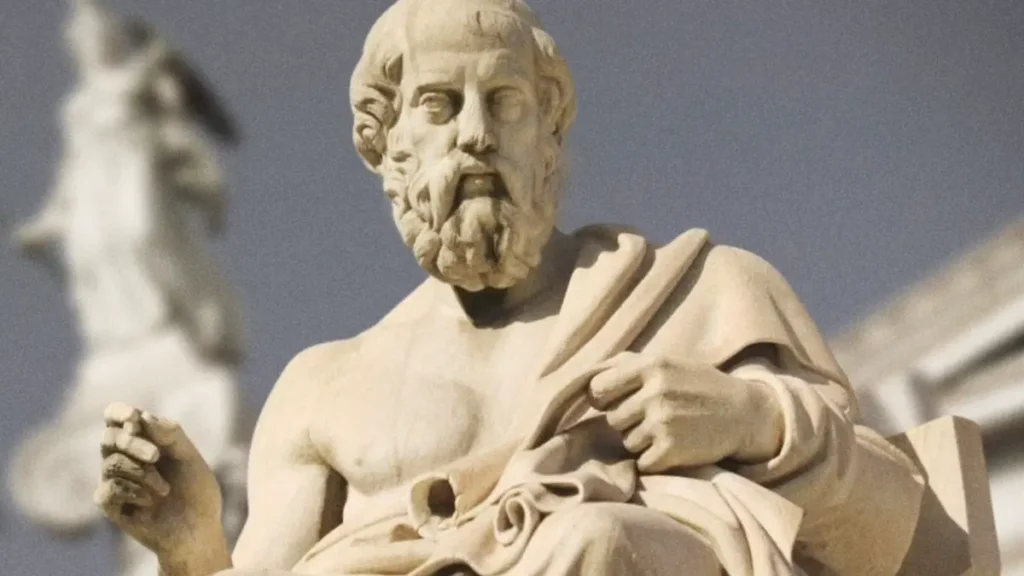
„Vzdělávání mladých lidí by nemělo být prováděno nátlakem, ale takovým způsobem, aby učení bylo přirozené a umožňovalo rozpoznat sklony každého z nich.“ (Platón, Ústava, VII, 536e-537a).
Žijeme v těžkých dobách, dobách zrychlených změn, se složitým přechodem mezi dospíváním a dospělostí. Cítím, že tlak se každým dnem zvyšuje, že můj život byl vnucen tempu, o které jsem nikdy nežádal, že se mi závrať změny jeví ve všech možných podobách, jako přízrak. Na tom by nezáleželo, kdyby se to stalo jen mně, ale je to pocit, který zakořenil i v srdcích těch, kteří si stále hledají cestu, našich mladých lidí. Znepokojuje mě pomyšlení, že za trendy, jako je nedávné „farmování aury“ v parcích, se skrývá víc než jen teenageři s příliš velkým množstvím volného času: je to vědomí, že nemají budoucnost. Mladým lidem dominuje pocit, že naše generace jim ukradla naděje.
Narodil jsem se v době, kdy byla univerzita ještě vnímána jako prestižní prostředí. Byl jsem ujištěn, že když budu dodržovat pravidla a dělat to, co se ode mě očekává, budu mít dobrou práci a skromně pohodlný život, to, čemu se říkalo být „střední třídou“. Bylo vám slíbeno totéž? Dlouho byla logika jednoduchá: studujete, získáte stabilní práci a do důchodu se dostanete s vlastním domem, apartmánem na pláži a autem. Klíčem k systému bylo, že pokud zůstanete ve stádě, budete žít lépe než vaši rodiče. Ne ve smyslu většího hmotného majetku, ale ve smyslu nákupu bezpečí. Jednoduše řečeno, investovali jste do určitého odstupu od chudoby. Lovecraft řekl, že strach je nejstarší a nejsilnější emocí lidstva. Zanechat za sebou smrt v zákopech, nehladovět… s těmito argumenty nám generace, která přežila útrapy druhé světové války, nabídla průvodce životem s nejlepšími úmysly, ale bez znalosti, jaké změny přijdou.
Dnes je to jinak. Ocelová bota technologií drtí lidstvo v mnoha oblastech a je stále jasnější, že není cesty zpět. Říkali nám, že umělá inteligence nás učiní produktivnějšími, stejně jako počítací stroje znásobily operační kapacitu účetních. Byl to pěkný teoretický rámec. Významné osobnosti (jako Bill Gates v roce 2025) však varují před nebezpečím, že velká část populace se pro většinu věcí stane zastaralou. Co kdysi patřilo sci-fi, je dnes součástí filozofické debaty. Upřímně řečeno, tuto znepokojivou myšlenku posouvám ještě dále. Nedávná historie nám poskytla příklady profesí, které se staly zastaralými. Ve svých přednáškách se často zmiňuji o obsluze výtahů v New Yorku, kteří na začátku 20. století byli přirozenou součástí městské krajiny.
Všechno pro ně bylo v pořádku, dokud technologická transformace neproměnila ruční páky v automatizované procesy. Otázka, kterou si tehdy společnost kladla („Proč tu člověka potřebujeme?“), nyní hrozí rozšířením na velkou část ekosystému práce. To již ovlivňuje intelektuální pracovní místa a s pokrokem v automatizaci se domnívám, že ve střednědobém horizontu se totéž stane i s manuální prací. Jaký má tedy smysl studovat, pokud neexistuje přímé propojení s trhem práce? Ztráta korelace mezi úsilím a očekávanou odměnou narušila důvěryhodnost systému.
Naši mladí lidé se začínají cítit nahraditelní. Předpokládají, že ať se snaží sebevíc, nikdy nebudou schopni konkurovat agentovi umělé inteligence. Jak můžeme žít s nepříjemnou představou, že dnes šestileté dítě dokáže pomocí umělé inteligence dosáhnout matematických výsledků, které by samo ani nevědělo, jak začít počítat? Pro dnešní mládež už konkurencí není další vysoce vzdělaný mladý člověk; konkurencí může být dítě s chytrým telefonem. Dítě získá řešení, aniž by mu rozumělo, a to je přesně ta červená hranice, kterou jsme překročili: provedení intelektuální operace již nevyžaduje jeho pochopení.
V daném případě naši mladí lidé nastupují na univerzitu s vědomím, že značná část toho, co se naučí, může zastarat ještě předtím, než promují, a že pokud vše půjde dobře, budou vrženi na stále konkurenčnější trh práce. Navíc to, co mohou přispět, mohlo být automatizováno roky předtím, než vůbec dokončí studium. A pak tito mladí lidé zůstanou v parcích a budou si „vydělávat auru“, zatímco my, už v důchodu, budeme krčit rameny, protože pro ně nebudeme mít žádné odpovědi. Udělali vše, co měli, usilovali o to, a přesto prohráli. Budou to skutečně poražení absolventi.
Zdá se, že tato nedokonalá budoucnost nenabízí žádné jiné řešení než hlubokou reformu vzdělávacího systému. Vzdělávání mladých Evropanů nemůže pokračovat tradiční cestou. Evropa se podle mého názoru stále drží středověkého univerzitního modelu a věří, že se věci nakonec samy vyřeší. Disciplinární struktura si zaslouží důkladnou revizi s cílem prořezat předměty; specializace ztrácí na významu, protože umělá inteligence zpřístupní komukoli to, co dříve vyžadovalo roky technického vzdělávání; vztah mezi titulem a povoláním již nebude individuální, protože umělá inteligence usnadní multidisciplinaritu; a předávání znalostí přestane být hierarchické, protože jakékoli technologické zařízení bude schopno fungovat jako učitel se všemi lidskými znalostmi na dosah ruky. Ale ještě není vše ztraceno.
My Evropané máme v této šachové hře jeden tah, jediný, ale dostatečný: obnovit paideiu, vzdělávací ideál starověkých Athén, jehož cílem bylo učinit z mladých lidí dobré občany. Jeho základním principem bylo sladit předávání znalostí s formováním charakteru; pouhá specializace nestačila: znalost toho, co je inherentně lidské, zaujímala nadřazené místo, protože vzdělávání by mělo formovat lidi schopné myslet samostatně a pro společné dobro. Nešlo jen o získávání užitečných dovedností; šlo o studium, abychom se zlepšili jako občané.
Domnívám se, že tento proces ztráty hodnoty dat se bude jen zintenzivňovat. A pokud mají být stroje schopny autonomně vykonávat výkonné úkoly, musíme zaměřit vzdělávání mladých lidí na to, co automatizované provádění nemůže zaručit: kritické myšlení s lidskou hodnotou. Proto nevidím jiné řešení než zásadně transformovat univerzity a orientovat je na humanističtější vzdělávání, aniž bychom ignorovali technologie, ale aniž bychom se posedli jejich hlubším ponořováním.
Naši mladí lidé potřebují vědět, jak myslet, jak souvisle interpretovat to, co čtou, jak si zachovat otevřenou mysl ke změně, jak pěstovat odolnost tváří v tvář nepřízni osudu a především jak být vnímaví k morálním hodnotám. Buďme upřímní, nikdo jim nemůže zaručit profesní budoucnost, kterou si budou užívat, zvláště když se samotný trh práce (pokud vůbec existuje) může proměnit k nepoznání. Můžeme jim ale dát nástroje, aby formovali to, kým se v životě stanou. Univerzita jim možná už nemůže slibovat povolání, ale stále je může naučit, jak být dobrými lidmi.
